
Read it here
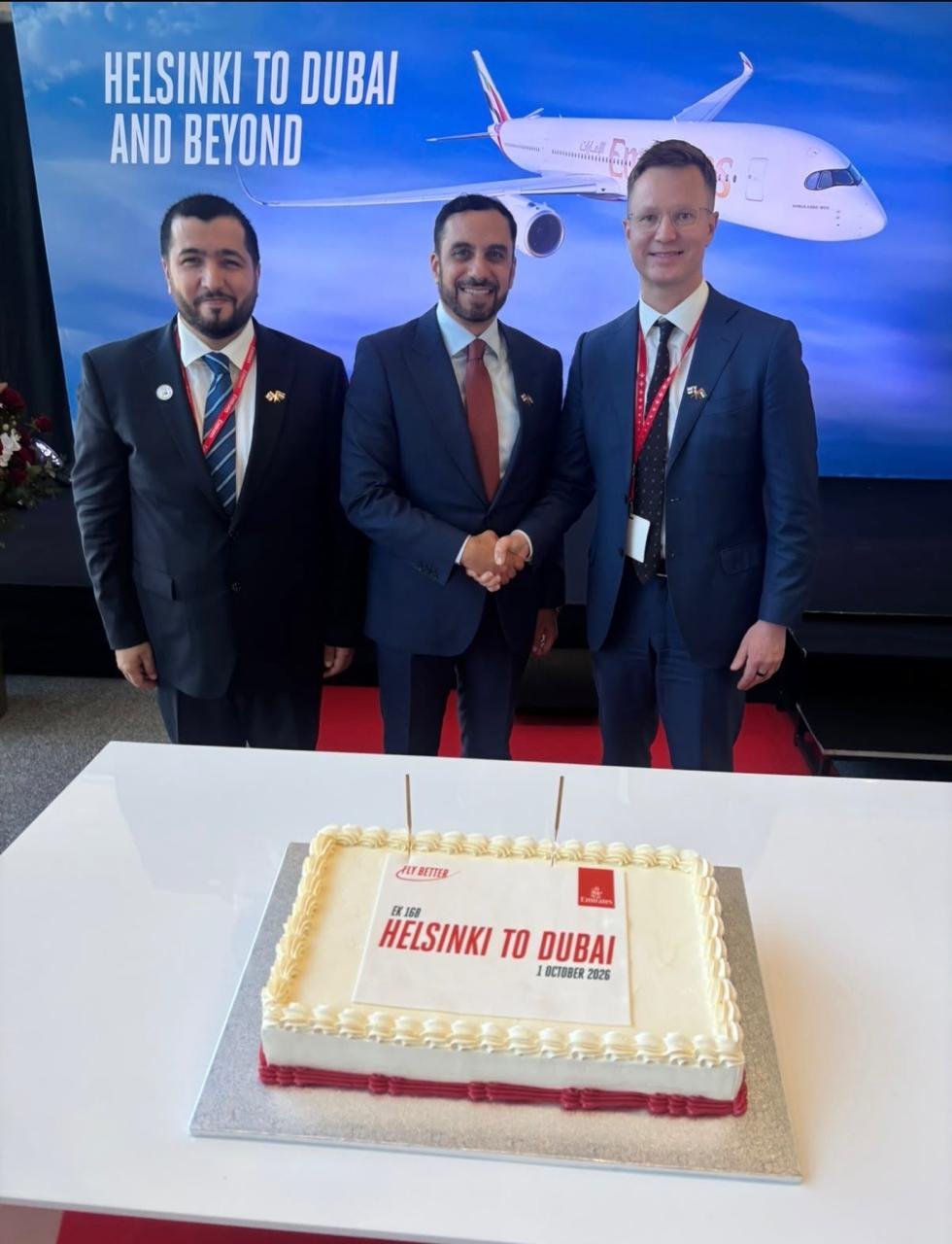
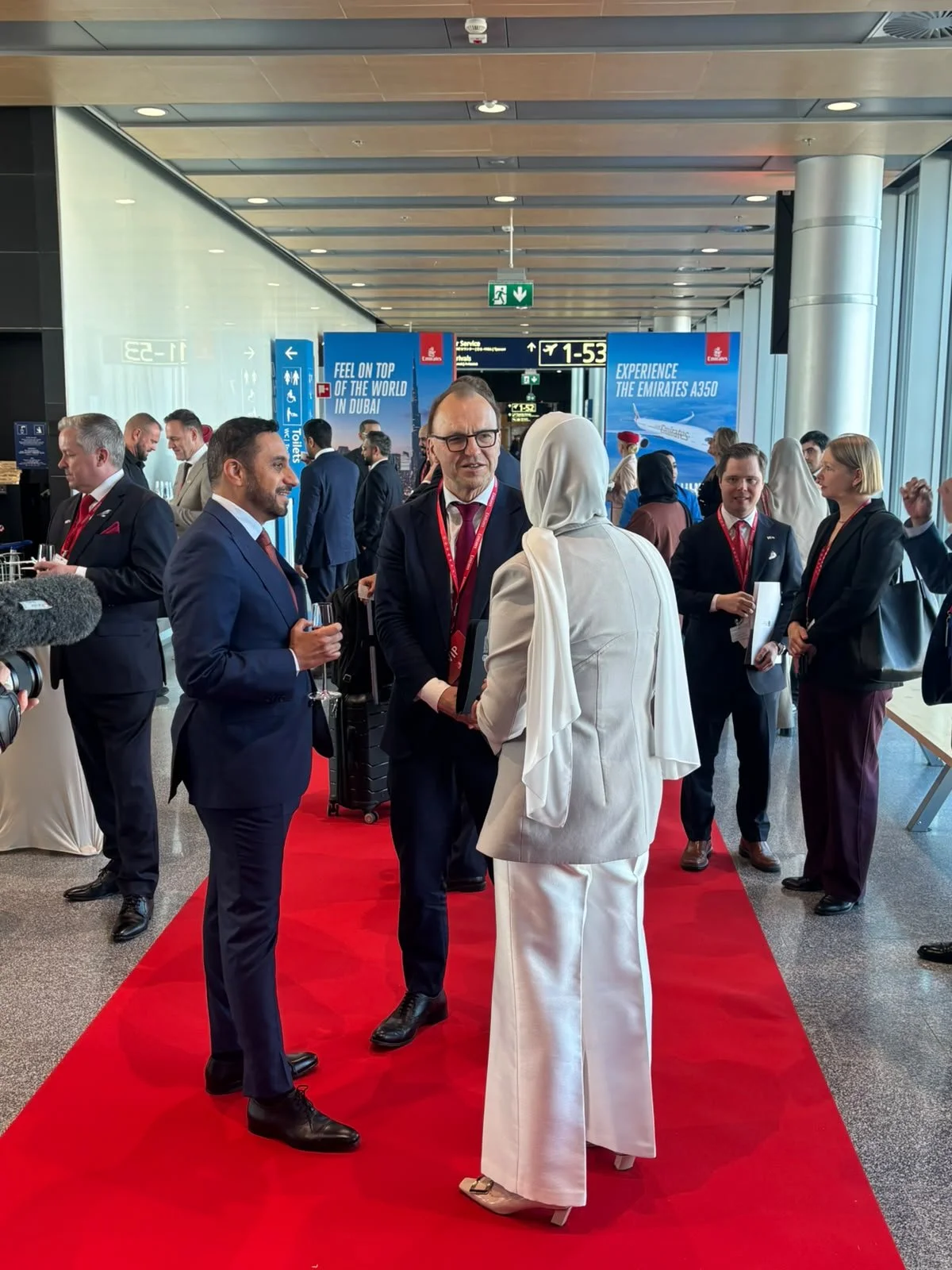
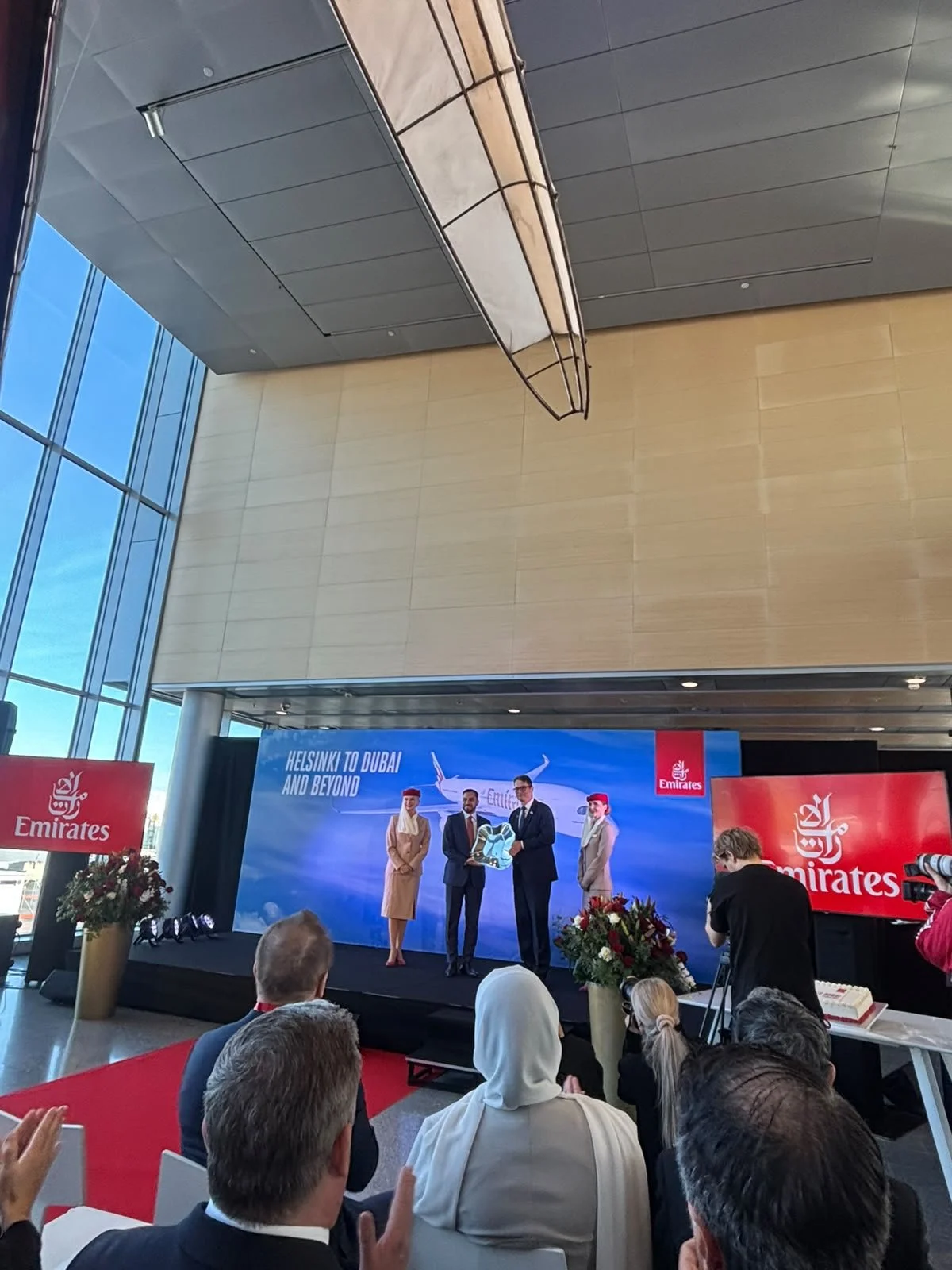
Emirates takes off to Helsinki, with FBC on board
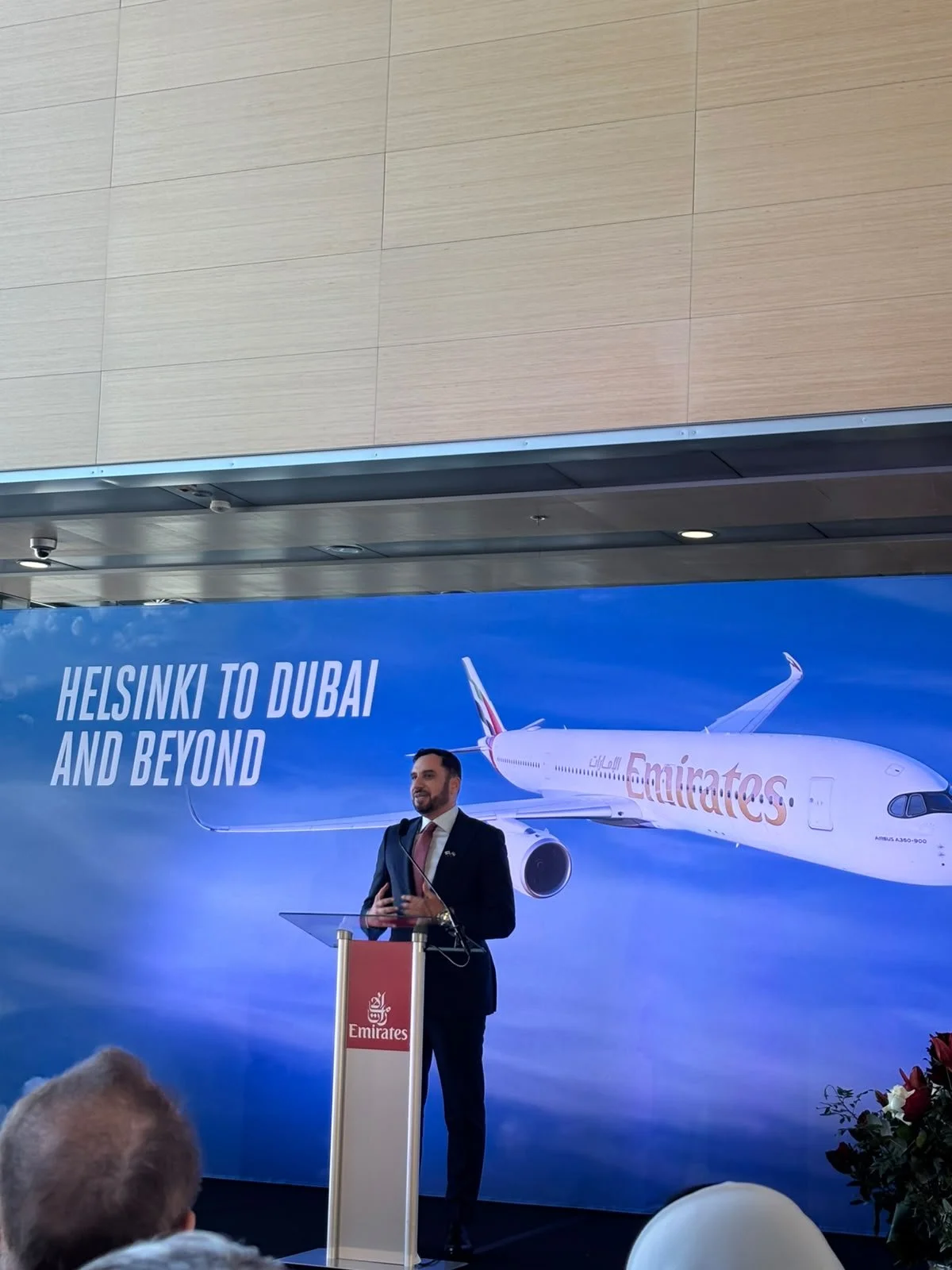
On 1 October, Emirates flew from Dubai to Helsinki for the very first time. Flight EK167 left at 07:30 with a near-full load of passengers and cargo, and carried a VIP delegation and media. We were proud to have our Chairman, Samuli Pesu, on board the inaugural flight. He travelled alongside Adnan Kazim, Deputy President & CCO of Emirates, Her Excellency Tuula Yrjölä, Finland’s Ambassador to the UAE and Bahrain, and other distinguished guests.
The route is the only direct year-round link between Finland and the UAE, with a daily flight on the Airbus A350, which brings Premium Economy to Helsinki from day one. It also connects Helsinki to nearly 140 points on Emirates' network, and Emirates SkyCargo offers up to 16 tonnes of bellyhold capacity on each flight, opening up trade in both directions.
For our members and the wider Nordic business community in the UAE, a direct flight means shorter journeys, easier travel and stronger business ties between our two countries. Thank you to Emirates for this milestone. We look forward to many more journeys between Dubai and Helsinki.
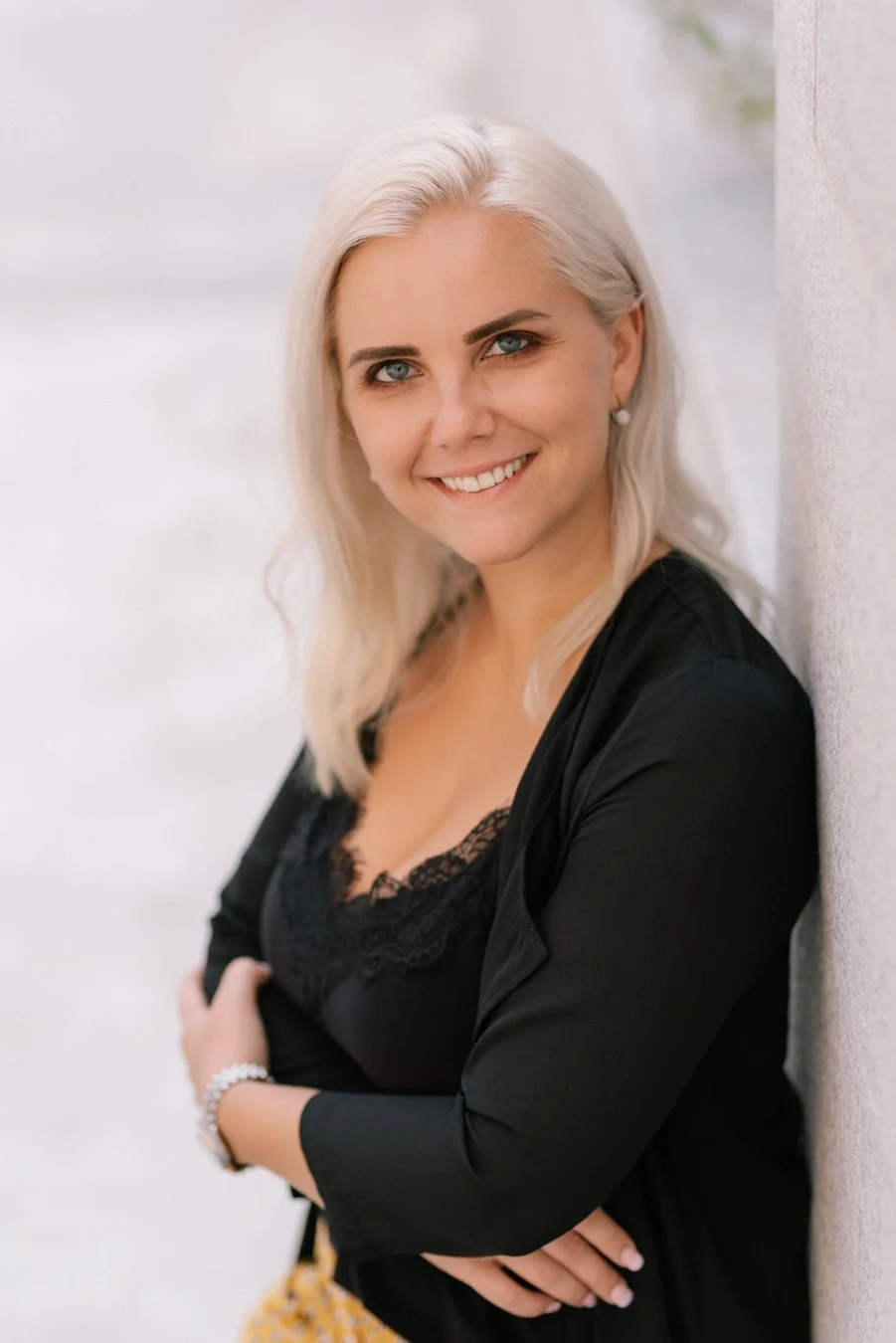
Meet FBC Member Saara Santanen, Founder of Travelling with Polaris
1. Saara, tell us a little about the woman behind Travelling with Polaris — what is your background, and how did you end up in Dubai?
My husband and I moved from Tampere to the UAE almost 12 years ago with our three-month-old baby. Today, we have two children, aged 10 and 11.
We came here for my husband’s work: he started as an air traffic controller in the tower in Abu Dhabi. By then, I had already built a varied career in the travel industry in Finland. My work had taken me from Hotel Kämp to Nokia´s in-house travel agency and Tampere-Pirkkala airport. Travelling with Polaris has given me a way to bring together that experience and my passion for introducing Finland to travelers here.
2. What inspired you to start Travelling with Polaris, and what was the idea behind the company when you first began?
After some time away from working life, I felt it was the right time to deepen my knowledge of the travel industry. I completed a master’s degree in tourism at JAMK University of Applied Sciences, and my thesis explored Finland’s appeal as a travel destination in this region. The Finnish Business Council was the commissioner of that thesis, which makes this interview feel rather full circle!
During my studies, I became increasingly aware of how little visibility Finland had as a travel destination here, and how few companies were actively promoting it. That inspired me to start Travelling with Polaris.
The idea from the beginning was to promote Finland throughout the year and help travelers discover different parts of the country. Lapland has absolutely been the driving force behind that interest, and most of the trips we plan are still taking our clients there. Emirate´s new year-round flights to Helsinki feel like the missing piece. I believe this is a huge step towards taking Finland´s visibility as a travel destination in this region to a whole new level.
3. What do you think makes Travelling with Polaris different from a traditional travel agency, and what kind of experience do you want your clients to have?
Travelling with Polaris is a destination management company (DMC), specializing in Finland. Our work goes beyond planning individual holidays: we work with private clients and travel businesses, take part in different tourism projects and bring our knowledge of Finland to partners in this region. That wider role is an important part of who we are.
When I plan a trip for a client, the approach is very personal. Every itinerary is built around people taking it, and I care deeply about getting the details right. I can still remember almost every trip we´ve ever planned, along with the children´s names and the little things that mattered to each family.
I want our clients to feel that their trip was truly made for them and to come home having experienced Finland at it´s best. I believe those personal experiences are what make people want to return and recommend Finland to others.
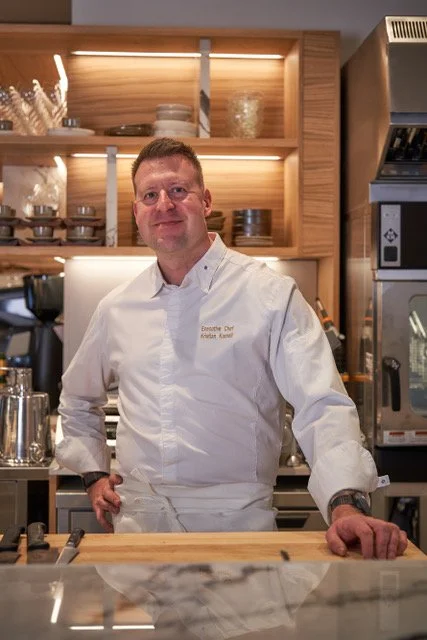
Bold Visions & Michelin Magic: How One Chef Took Nordic Fine Dining to the UAE Luxury Market
Bold Visions & Michelin Magic: How One Chef Took Nordic Fine Dining to the UAE Luxury Market
When I founded Nordic Hospitality Experience on January 18, 2025, my roadmap had a clear goal: Target the Middle Eastern luxury market by 2028.
What I couldn’t have predicted was that high-end gastronomy moves faster than any roadmap. Just two months later, the phone rang.
Building on History: The Spark of a New Venture
In 2023 and 2024, I executed the dinner ceremony for the Nordic Michelin Guide Gala two years in a row—to this day, the only Finnish chef to have done so. In early 2025, I also launched Finland’s first-ever immersive dining restaurant concept.
With these achievements behind me, I set out to build a premium catering and event production company merging culinary art with experiential production. In Finland, demand for ultra-high-end catering is niche, so internationalization wasn’t just an option—it was essential.
When Opportunity Calls: The Abu Dhabi Leap
In March 2025, my lawyer called with a question that changed everything:
"How would you feel about executing catering at the Formula 1 Grand Prix in Abu Dhabi this December?"
It didn’t take much convincing. Had I known the chaos, regulatory mazes and sleepless nights ahead, I might have hesitated! Launching two companies in one year, funded purely through cash flow, is arguably the craziest startup strategy out there. But Cash is King, and fortune favors the bold.
In August 2025, I flew to Dubai to scout the region and tour the Yas Marina circuit, debriefing our team in Finland every evening from my hotel room.
We soon realized we couldn’t run the project through our Finnish entity and had to set up a local UAE company—fast. What followed was a trial by fire of bureaucracy, false promises and dishonest operators. It wasn’t until November, dangerously close to the event, that a mutual friend connected us with the right partner to finalize our setup.
Cooking for Royalty and Presidents
In August 2025, I met the Finnish Ambassador to the UAE, Tuula Yrjölä, over coffee at Pasila station in Helsinki, and we began planning a major milestone: the 50th Anniversary of Diplomatic Relations between the UAE and Finland.
Right after the F1 race, we hosted a cocktail reception for the occasion. Serving handcrafted Nordic bites to high-ranking dignitaries, I felt an overwhelming sense of pride. Every sacrifice had been worth it.
Shortly before F1, I also had the honor of cooking for the President of Finland, Alexander Stubb, and his guests at an official State Visit dinner at the Embassy—my culinary debut in the UAE.
The Ultimate Pressure Test: 750 Covers a Day
Just two weeks later, the Abu Dhabi F1 Grand Prix was underway, with 750 guests per day. We cooked every dish from scratch in the kitchen aboard our F1 event yacht—a space smaller than the bathroom of my rented apartment in Al Barari.
It was the hardest physical and mental race of my life. I slept a total of four hours across the entire four-day event.
By 11:30 PM on Sunday, our team was running on empty. But we pulled it off, proving that Nordic precision, grit and passion have a place in the UAE’s luxury catering market.
I’ve never taken shortcuts. I cook with my heart, never compromise on quality, and will bend over backwards to make a client's wildest event dreams come true.
Navigating Startup Storms & Looking to the Future
I chose to bootstrap everything through cash flow because I refused to let outside investors dictate our culinary identity. But the Middle East taught us hard lessons about volatility: when regional geopolitical tensions froze the event market almost overnight, our dependence on the UAE nearly wiped us out.
Instead of backing down, we pivoted and built a profitable foundation in Finland over the summer. With our core stabilized, the timing is now right to welcome strategic investors who can help us scale across the Middle East.
Why We are in the UAE: Bringing Nordic Philosophy to the Desert
Our mission is to bring authentic Nordic culinary philosophy, world-class Scandinavian ingredients and sophisticated event design to a market hungry for genuine innovation.
We are also preparing to premiere Wyrd, our unique immersive dining concept. Once funding is secured, it will set a new benchmark for experiential dining in the region.
In April 2026, I had the privilege of catering the launch of Sheikha Bodour’s fashion brand, Inanna, in the Sharjah desert.
From a yacht kitchen under extreme pressure to luxury events in the desert, our story is just getting started. Whether it’s an intimate private chef experience or a high-profile gala, Nordic Hospitality Experience is built on passion, relentless execution and an unwavering commitment to excellence.
Kristian Karnell
Founder of Nordic Hospitality
Welcome our new member Travelling with Polaris
Travelling with Polaris is a Dubai-based Finnish travel company and Destination Management Company (DMC), specializing in tailor-made travel experiences to Finland for clients from the UAE and the wider Middle East.
The company offers personalized travel planning and local arrangements, from accommodation and activities to private transportation and other travel services. With in-depth knowledge of both Finland and the Middle East, Travelling with Polaris creates carefully tailored and seamless travel experiences based on each client’s individual needs and preferences.
Contact:
saara@polarissol.com
Welcome our new member Nazmi
Nazmi is an AI engineering company that helps businesses build and integrate AI into their daily work. We develop AI agents that work with a company's existing tools and data, and train custom AI models that clients can run on their own infrastructure. We support teams from choosing the right approach through development and ongoing improvement.
Our website is https://nazmi.tech
Contact:
isaac@nazmi.tech
September 2026 Newsletter
Read it here
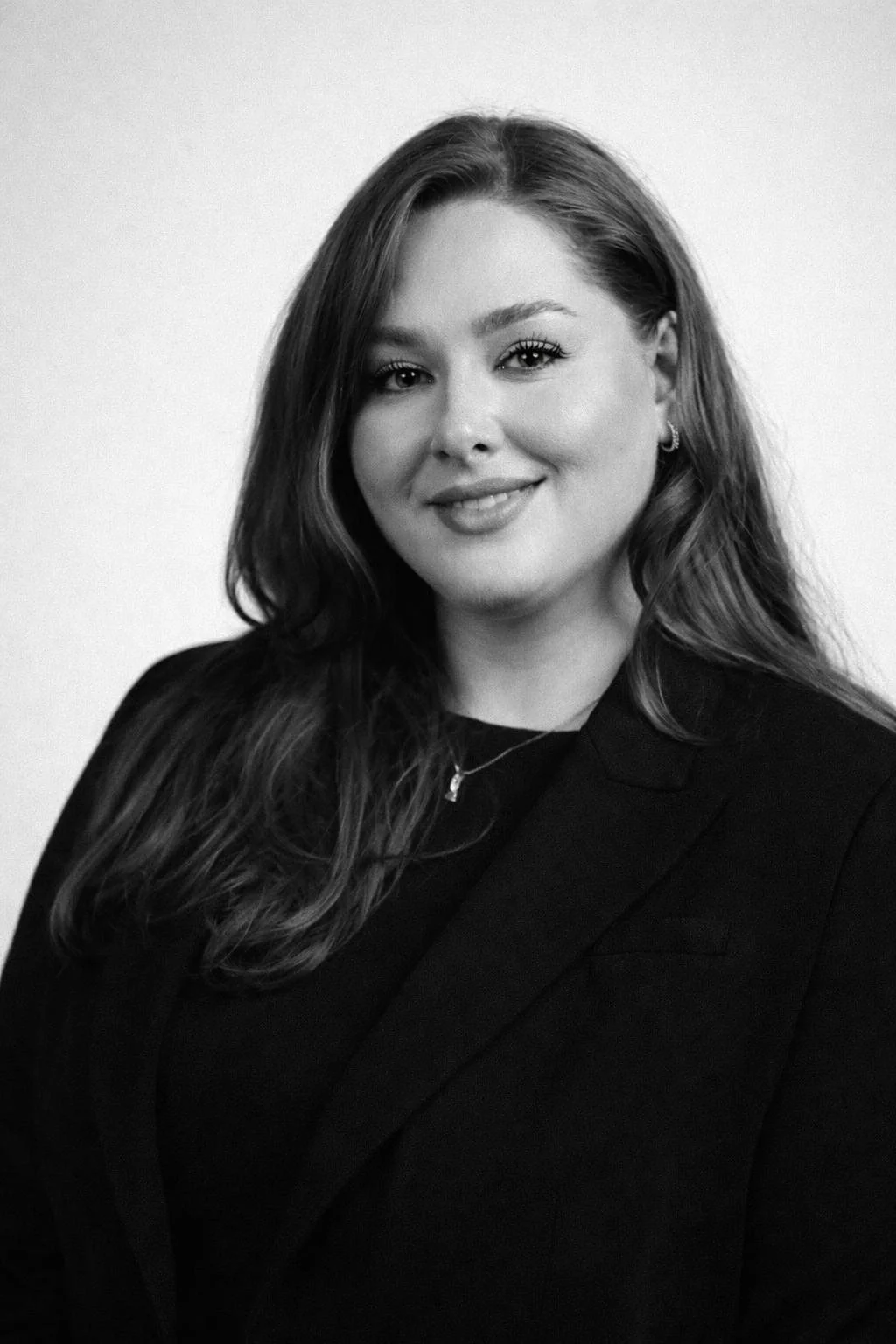
Meet our new Young Professionals Director Saara Sabbagh
It is a pleasure to introduce myself as the new Director of the Young Professionals division of the Finnish Business Council.
Some of you may already know me from my time working at the Finnish Pavilion Shop during Expo 2020 Dubai in 2021, where I had the opportunity to be part of Finland’s presence at such a significant international event.
My name is Saara Sabbagh, and I am half Finnish and half Syrian, and was raised in the UAE before moving to Finland for my studies. Having grown up between cultures and later returning to Dubai, I have always found that some of the most valuable perspectives come from being able to see the world from more than one point of view. As a third-culture child, building connections between people, cultures and communities has naturally become an important part of how I see both my personal and professional life.
Today, I work in my family’s dental business as a Marketing and Strategy Manager, where my work sits at the intersection of business development, branding and the rapidly evolving dental industry. Alongside this, I have recently taken on the role of Secretary of the Dubai Finnish School (Suomi-Koulu). I am very excited about these new responsibilities and about contributing more actively to the Finnish community in Dubai as a whole.
For young professionals, these are interesting, and at times uncertain, years in which to be building our careers. Geopolitical shifts, technological transformation and the rapid development of artificial intelligence are changing the way we work and challenging some of the assumptions we have traditionally had about careers and professional development. The idea of following one clearly defined career path is becoming less certain, particularly as the skills and roles of tomorrow continue to evolve.
I believe that this makes community and conversation more important, not less. We need places where young professionals can openly discuss the opportunities and uncertainties ahead, exchange perspectives across industries and generations, and learn from one another. At the same time, professional communities should not always have to be about work. Having an inclusive and welcoming environment where people can simply meet, socialise, make new friends and enjoy shared experiences is equally important.
Through the Young Professionals division, I hope to create a space that brings these elements together, from meaningful professional discussions and networking to informal gatherings and social activities. My aim is to build an open community where everyone feels welcome, whether they are newly arrived in Dubai, have been here for years, are building their own business, developing their career or simply looking to connect with other young professionals with Finnish ties.
In an increasingly digital and rapidly changing world, strong human connections remain one of our most valuable resources. I look forward to meeting many of you, hearing your perspectives and building a strong, open and forward-looking Finnish young professionals community here in Dubai.
Saara Sabbagh
Young Professionals Director
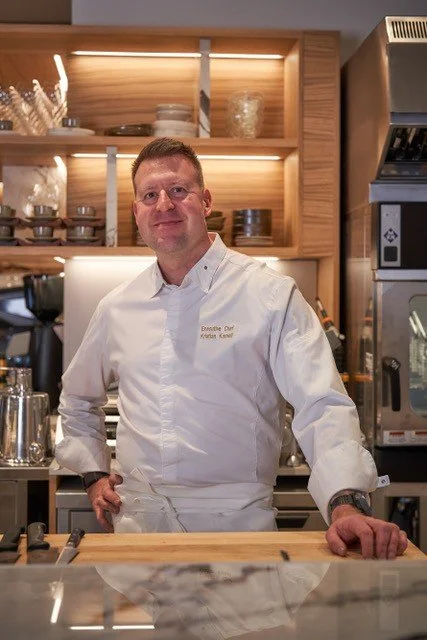
FBC Member in spotlight - Meet Kristian Karnell, Founder of Nordic Hospitality Experience
1. Looking back, is there a moment early on when you knew you wanted to become a chef?
It all started when I was a young boy. I deeply admired my father and loved watching the passion he brought into the kitchen. Even though he wasn't a professional chef—he was an advertising executive who traveled frequently—cooking together became our natural way to spend quality time. That was where the spark was lit. Later on, I went to culinary school, and soon after, I was already working abroad. I spent the next ten years traveling the globe, honing my craft in top-tier restaurants around the world.
2. How would you describe your cooking style and where do you get your inspiration?
My cooking style is deeply rooted in Nordic and French culinary traditions. While my framework is very much refined fine dining, I always cook strictly from the heart. I would describe my approach as highly artistic. I draw inspiration from all kinds of surroundings—whether it’s a quiet walk in the forest, a piece of art, or the pulse of an urban city space. I like to translate those textures, moods, and visual elements onto the plate.
3. Tell us about the new immersive restaurant concept you're bringing to Dubai and what can guests expect?
Our upcoming restaurant, Wyrd, is a completely unprecedented concept. While Dubai has seen immersive dining before, it has never experienced a Nordic concept that fuses Northern and Arabic culinary traditions and bridges these two rich cultures.
It is a deeply visual, narrative-driven experience. If you’re a fan of shows like Vikings or Game of Thrones, that gives you a sense of the cinematic atmosphere—translated into a contemporary fine dining space through modern gastronomy and cutting-edge technology. Having previously opened Finland’s first immersive restaurant, Wyrd is my fully realized vision of what the future of experiential dining should be.
We have assembled a world-class creative team:
· Visuals & Animation: Crafted by an Academy Award-winning animator.
· Sound Design & Score: Composed by a BAFTA and Cannes award winner.
· Script & Narrative: Written by an Emmy Award-winning writer.
Guests will be taken on an unforgettable journey starting from the rugged, mythical North and concluding in the magical realm of the Arab world. It is a spectacle and a dining show unlike anything seen before.
4. What do you hope this new chapter in Dubai will bring you, both professionally and personally?
I’ve almost spent a full year in Dubai now, and it has already been an incredible journey. Over the past year, we’ve catered the two largest superyachts at the Abu Dhabi F1 Grand Prix in Yas Marina, curated the diplomatic cocktail ceremony between the UAE and Finland, and I had the privilege of cooking for Finnish President Alexander Stubb during his state visit. This past spring, we also hosted our first Nordic-Arabic pop-up in Dubai and designed a desert-inspired culinary experience for Sheikha Bodour’s Innana fashion brand launch.
Looking ahead, I hope this chapter continues to push my creative boundaries. Professionally and personally, my goal is to showcase Northern culture and gastronomy more prominently in the UAE, while also bringing this global, high-octane event energy back to the Nordics through unique culinary experiences.
5. When you’re not creating fancy gourmet experiences, what’s your favourite meal to cook at home?
Believe it or not, I live very simply at home. My daily diet mostly consists of chicken and rice, as I try to take care of my health and maintain a rigorous training routine around a busy schedule—especially now as I'm getting back into form after an injury.
However, when I do cook at home for pleasure, my go-to choice is definitely fresh fish, seafood, and a rich, savory XO sauce. That said, the greatest luxury at home is having someone else cook for me, since my days are completely consumed by creating food for others. Above all, my absolute favorite thing to do in the kitchen is baking and cooking with my daughter—passing down the same passion my father shared with me when I was a young boy.
August 2026 Newsletter
Read it here